
What is Lanolin?
Lanolin, or wool grease, is a wax secreted by the sebaceous glands of sheep. This substance protects the sheep from environmental hazards. Lanolin and its derivatives act as water and oil emulsifiers, emollients, moisturizers, stabilizers, and plasticizers, making them valuable in various industries, including pharmaceuticals, cosmetics, military, oil, leather manufacturing, and paint production.
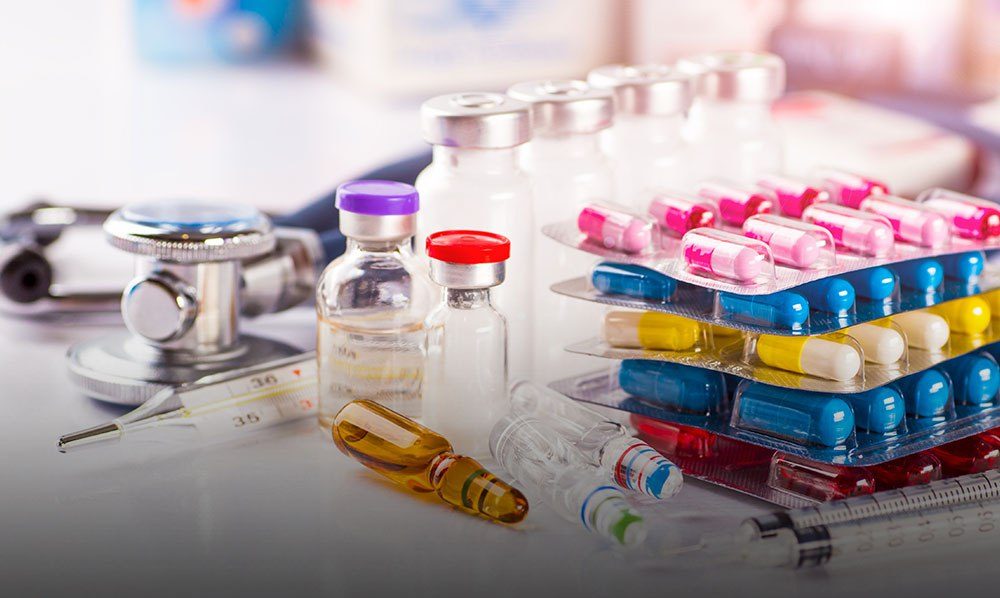
Use in Pharmaceutical Industries:
- Cholesterol production
- Precursor for vitamin D3
- Reducing facial wrinkles
- Used in ointments, burn dressings, and wound sprays as an emulsifier, stabilizer, softener, and enhancer in wound healing
- As a dispersing agent for color in tinted medications (e.g., in combination with zinc oxide)
- In topical products (e.g., anti-acne creams) and hygiene items (such as tissues) as an antimicrobial and disinfectant
- In ophthalmic ointments, as a softener with high physiological compatibility and low irritation potential
- In suppositories as a carrier for the active pharmaceutical ingredient
- In surgical adhesive tapes, as a plasticizer and enhancer for skin recovery
- In chewing gums as a food additive (softener)
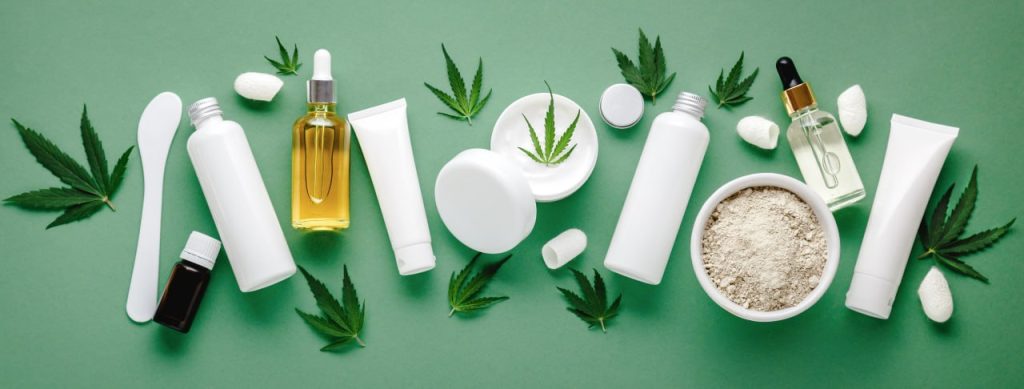
Use in Cosmetic and Personal Care Industries:
- In all skincare products, including creams, as an emulsifier, stabilizer, softener, and moisturizer
- In oil-based skin lotions and oil cleansers as a skin moisturizer and viscosity regulator
- In hygiene soaps as a lubricating agent that minimally affects the hydration properties of detergents and the longevity of added fragrances
- In aftershaves as a skin moisturizer and viscosity controller
- In lipsticks and eye makeup products to prevent crystallization and ensure even dispersion of pigments
- In hair shampoos, to prevent flaking and brittleness of hair strands
- In hair sprays, as a plasticizer
- In hair bleaches, as an emulsifier to stabilize pH

Use in Military Industries:
- As a rust inhibitor for metals: Adding lanolin to materials helps prevent decay and corrosion on internal metal surfaces. It also protects chrome parts from seawater and acid rain.
- For protecting military equipment, water channels, pipelines, machinery, metal sheets, and steel ropes from corrosion.
- As a lubricant in various engineering components, cutting, and metal processing, serving as a lubricating grease.

Use in the Oil Industry:
- In oil rigs and petrochemical platforms, which are highly susceptible to rust due to salty environments. Adding lanolin to anti-corrosion materials helps prevent decay on internal metal surfaces.
- Protecting chrome parts from seawater and acid rain.
- Preserving military equipment, water channels, pipelines, machinery, metal sheets, and steel ropes from corrosion.
- Serving as a lubricant for various engineering components, cutting, and metal processing, acting as a lubricating grease.
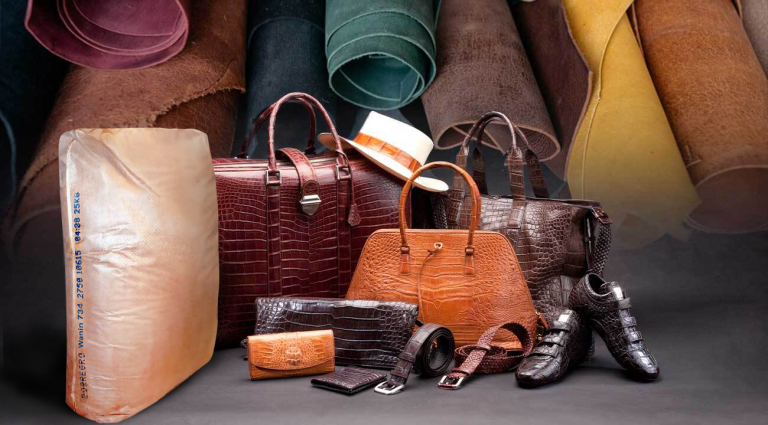
Use in the Leather Industry:
- To increase leather’s resistance to natural degradation processes, it must be treated with chemical tanning agents to produce a durable product. Lanolin is widely used in lubricating solutions applied after tanning to soften the leather.

Use in the Automotive Industry:
- As a rust inhibitor for metals: Metal corrosion imposes significant annual costs on industries, particularly for frequently used automotive parts (such as door seams, hoods, fenders, undercarriage, etc.). Adding lanolin helps protect these metal components from rust and corrosion.

Use in the Textile Industry:
- As a softening agent for textiles
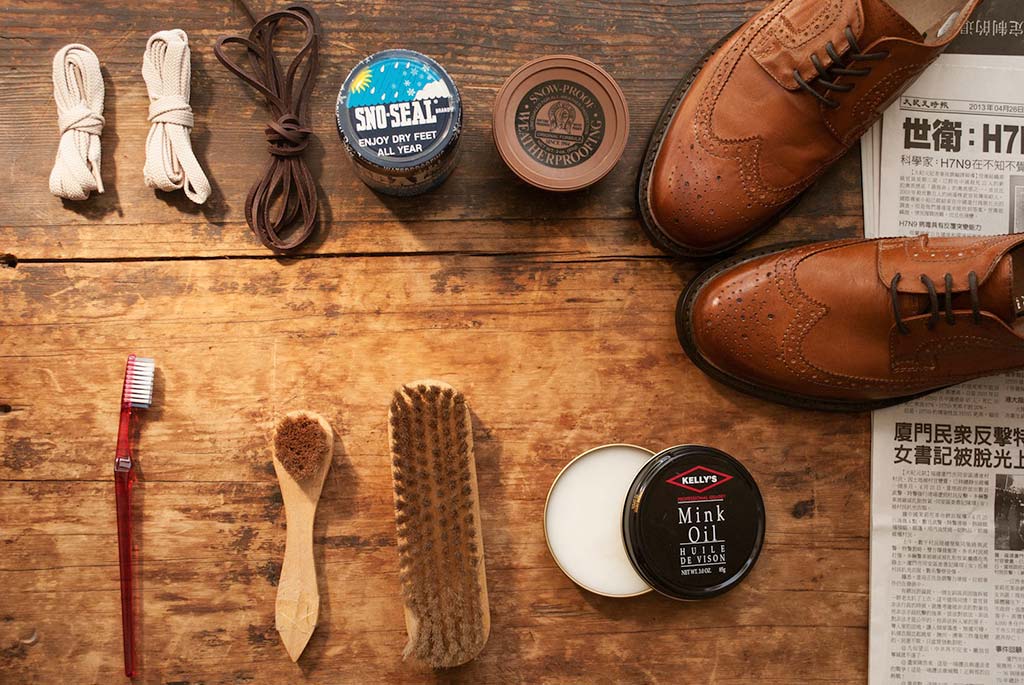
Use in the Wax Industry:
- In shoe polishes as an emulsifier and to enhance the shine of polish products.
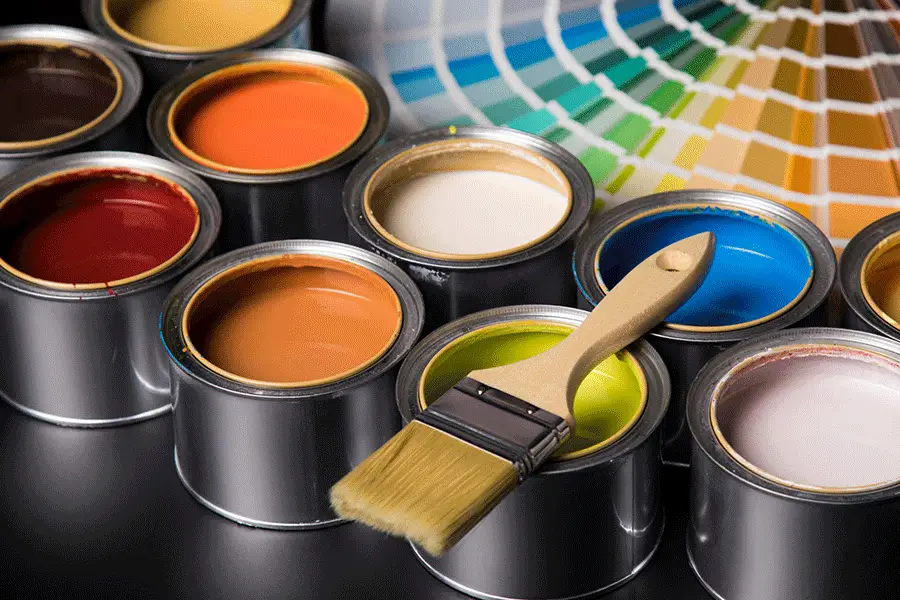
Use in the Paint Industry:
- Prevents pigment clumping and sedimentation by acting as an effective dispersing agent, reduces drying time, and inhibits penetration in paints, varnishes, and inks.
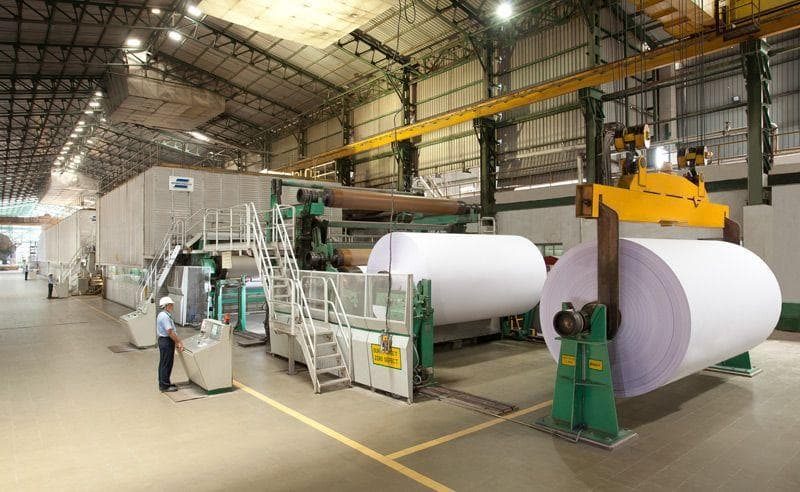
Application in the Paper Industry:
Enhancing Paper Softness